
Key Clinical Takeaways
- Different acne scar subtypes (ice-pick, boxcar, rolling) require tailored optical combinations rather than a single laser pass.
- Combining fractional CO2 with biological growth factor therapy accelerates re-epithelialization by up to 40%.
- Strict photoprotection and post-treatment barrier recovery creams are paramount on Indian Fitzpatrick skin types to prevent post-inflammatory hyperpigmentation (PIH).
Understanding Atrophic Acne Scar Subtypes
Acne scarring is rarely homogeneous. When chronic inflammatory acne damages the deep reticular dermis, aberrant collagen remodeling occurs, leaving behind distinct anatomical indentations. At Dr. Haror's Wellness, accurate microscopic assessment determines the exact combination of scars present before selecting an energy-based workstation.
- Ice-Pick Scars: Deep, narrow V-shaped pits extending deep into the dermis, best managed with CROSS technique and high-precision focal resurfacing.
- Boxcar Scars: Angular depressions with sharply demarcated vertical edges, highly responsive to fractional CO2 ablation.
- Rolling Scars: Broad fibrous depressions anchored to the subcutaneous fascia, requiring subcision tethering release alongside laser heating.
The Multi-Modal Optical Approach for Indian Skin
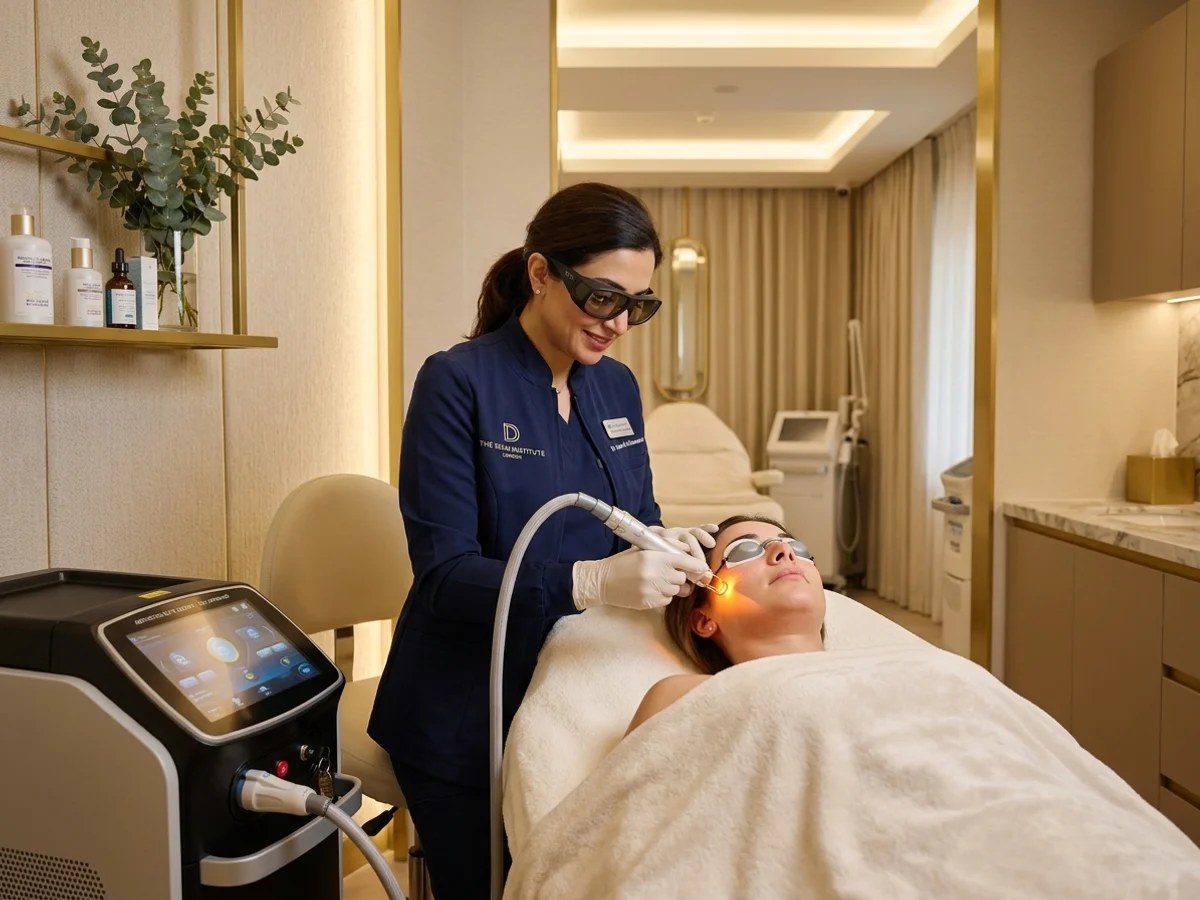
Treating Fitzpatrick skin phototypes IV and V demands conservative fluence calibration. Over-aggressive thermal ablation can trigger reactive melanogenesis. Our US-FDA approved optical workstations utilize micro-ablative fractionated columns, leaving surrounding tissue intact to foster rapid cellular healing without pigmentary rebound.
- Fractional CO2 (10,600 nm) for profound dermal micro-column renewal.
- Fractional Non-Ablative Erbium (1,550 nm) for gentle collagen stimulation.
- Dermal Micro-Needling RF for controlled volumetric heating safely beneath the epidermis.
What to Expect: Procedural Protocol & Downtime Milestones
Patients experience mild erythema and a sensation similar to mild sunburn for 48 to 72 hours. Microscopic epidermal necrotic debris (MENDs) form within 3 days and naturally slough off by day 5 to 7, revealing smoothed skin texture and significantly reduced scar depth.
- Day 1–2: Mild swelling, gentle cold compresses, sterile physiological moisturizers.
- Day 3–5: Formation of microscopic micro-crusts; zero picking or harsh scrubs.
- Day 7+: Resumption of daily routine with strict broad-spectrum SPF 50+ mineral sun protection.
"No two scalps or skin barriers share identical biological parameters. True clinical excellence lies not in aggressive standard packages, but in microscopic diagnosis and mathematically calibrated preservation tailored to Indian skin."
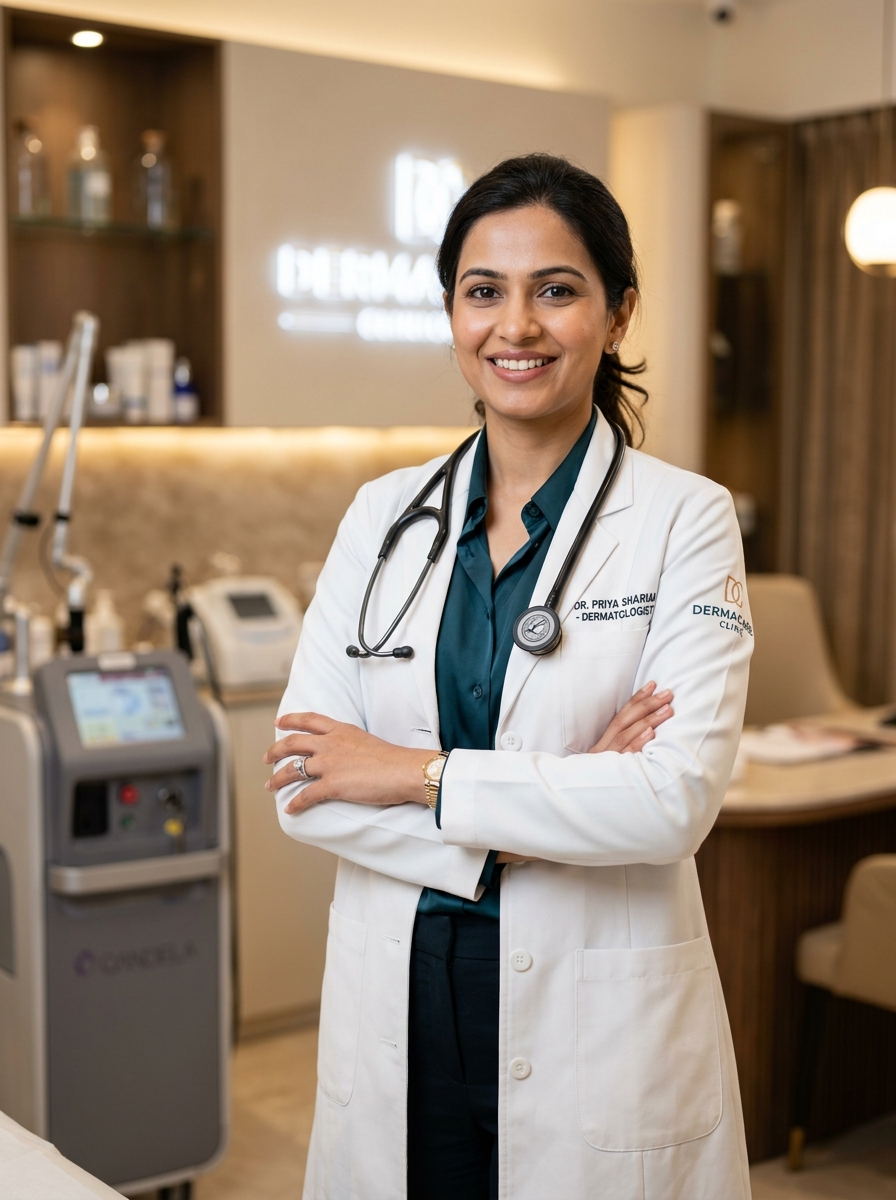
Dr. Priya Sharma
MBBS, MD - Dermatology, FAM • Senior Consultant Dermatologist & Aesthetic Laser Specialist
Practicing in Ahmedabad at Dr. Haror's Wellness, dedicated to high-precision robotic hairline restoration, microscopic follicular viability, and evidence-based clinical dermatology.
Consult with Priya